

What Thriving Businesses Do That Yours Probably Doesn’t
The Uncomfortable Truth About Sustained Growth
There are no silver bullets.
No magic systems. No overnight transformations. No secret formulas that guarantee spectacular results while you sleep.
I know this because I’ve spent decades as an accountant, business coach, and consultant speaking with hundreds of business owners. Weekly conversations. Deep observations. Endless debates about what actually works.
Here’s what I’ve discovered: the businesses that grow faster and more predictably aren’t lucky. They’re deliberate. They concentrate their efforts and resources on specific areas that everyone else neglects.
Seven areas, to be precise.
1. Powerful Vision and a Clear Sense of Purpose
Money isn’t enough.
The best-performing companies I work with have discovered something counterintuitive: financial reward alone cannot fuel sustained ambition. There’s nothing wrong with wanting more money. But money as the primary driver? It burns out. It empties.
“Purpose pulls you forward when profit alone would let you quit.”
Thriving businesses find their higher calling first. Then—and only then—do clear objectives, strategies, and tactics follow. Vision leads. Everything else serves.
2. Outstanding Business Intelligence
Successful companies know their numbers. But here’s what separates them: they know what their numbers mean.
They’ve identified their core success ingredients—the critical metrics that actually drive performance. Not vanity numbers. Not comfortable numbers. The numbers that tell the truth, even when the truth is uncomfortable.
Variances happen everywhere. Plans never survive contact with reality. But these businesses adapt because they measure the present, analyse the past, and see into the future.
“Flexibility isn’t weakness. It’s the intelligence to recognise when the market has changed before your competitors do.”
Too many business owners become myopic, seeing only a narrow slice of their competitive landscape. Growth leaders maintain peripheral vision. They see what’s coming.
3. Growth Planning Isn’t Optional
There’s a critical difference between having a plan and practicing planning.
Growth businesses understand this distinction. They plan in advance. They update daily. Planning isn’t an annual event—it’s a systematic, never-ending work in progress.
This is mindset, not methodology.
One of the best business leaders I know carries a simple black planning book. Updated daily. Nothing sophisticated. Nothing expensive. Just a consistent reminder of what’s truly important and where the business is heading.
Format doesn’t matter. Process does.
“The discipline of daily planning doesn’t constrain your business. It clarifies it.”
Simple beats complex. Consistent beats occasional. Written beats remembered.
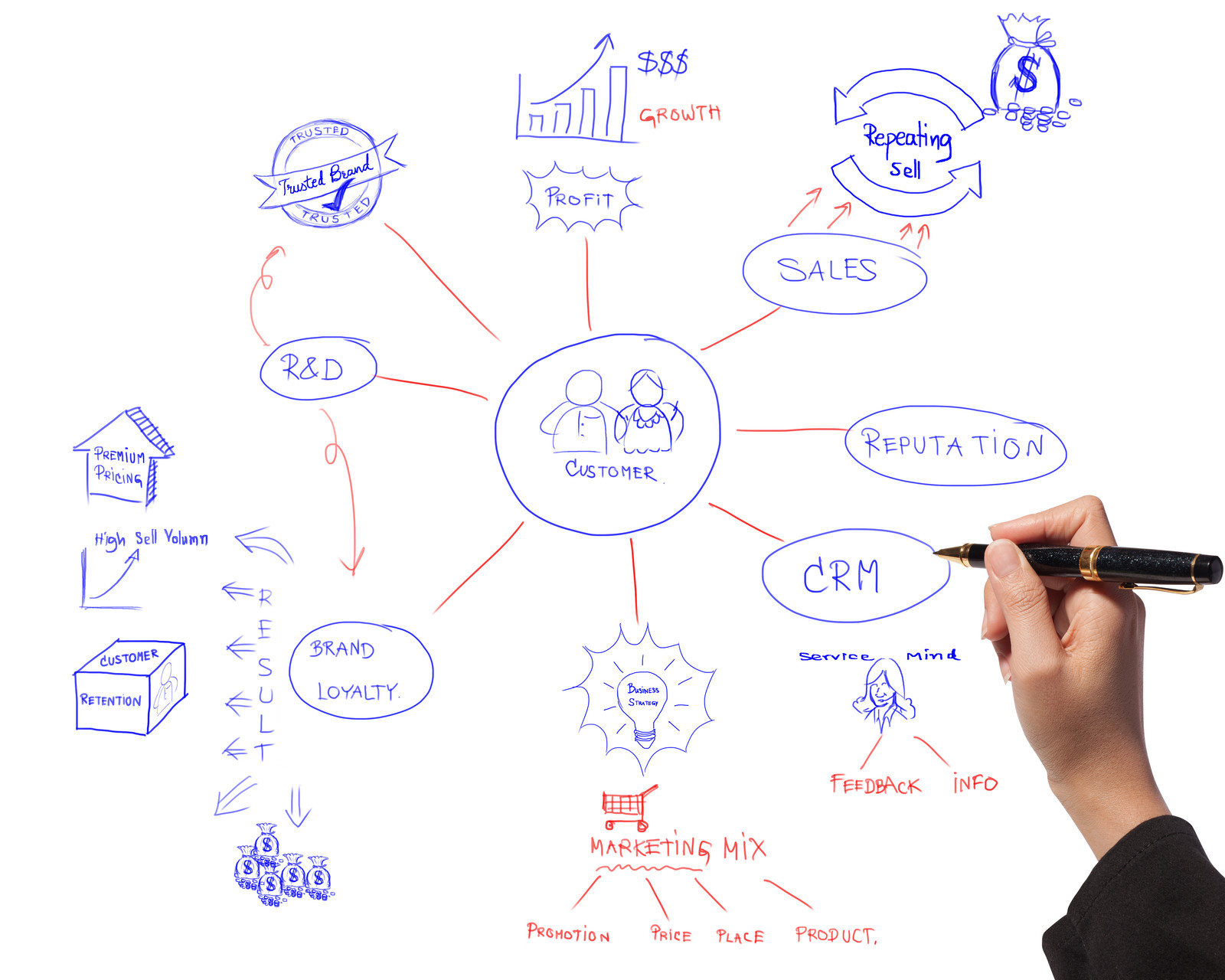
4. Genuinely Client-Focused
Every company claims to be customer-centric. Almost none actually are.
Websites overflow with promises. Marketing materials trumpet service excellence. Mission statements declare customer commitment. Meanwhile, business processes are designed for internal convenience, not customer experience.
Here’s the test: examine every business process from your customer’s perspective. Is it designed to make things easier for you or better for them?
“Customer focus isn’t a slogan. It’s a design principle that eliminates everything that doesn’t serve them.”
Growth companies know exactly who their customers are. They understand what these customers truly need—not what’s convenient to provide. They build experiences around this understanding.
Do you actually know your customer? Or do you just think you do?
5. The Power of Innovation and Technology
Growth companies are obsessed with process improvement.
Innovation creates market leadership. But here’s the uncomfortable reality: it’s always harder to defend territory than to win it. Yesterday’s innovation becomes tomorrow’s baseline.
These businesses defend their position through constant repositioning. Relentless quality improvement. Never-ending refinement of how they deliver value.
“Standing still isn’t stability. It’s slow-motion retreat.”
Technology isn’t optional anymore. It’s the infrastructure of competitiveness. The question isn’t whether to invest—it’s whether you’re investing fast enough.
6. The Best and Brightest People
This should be obvious. It rarely is.
Growth companies recognise a fundamental truth: they’re only as good as the people they attract, develop, and retain. The ability to hire the best and keep them engaged is often the single biggest differentiator between success and failure.
Yet most businesses treat recruitment as an administrative function. They hire for skills and fire for culture. They underinvest in development and wonder why talent leaves.
“Your people strategy is your growth strategy. Everything else is just arithmetic.”
The best businesses don’t just find great people. They create environments where great people want to stay and grow.
7. Seeing and Communicating the Future
Few organisations regularly consider what’s coming.
Growth companies diligently monitor the forces reshaping their environment. Legislative changes. Political shifts. Market trends. Technological disruption. Competitive movements.
But monitoring isn’t enough. They communicate what they see. They translate external changes into internal goals, strategies, and objectives that keep the business relevant and competitive.
“The future doesn’t announce itself. It rewards those who watch for it and punishes those who don’t.”
Being prepared means more than awareness. It means action. It means aligning the entire organisation around what’s coming, not just what’s comfortable.
The Choice You’re Making Right Now
These seven areas aren’t secrets. They’re disciplines.
Every business owner can pursue them. Most don’t. Not because they disagree—because they’re too busy fighting today’s fires to build tomorrow’s foundations.
That’s the real differentiator. Not knowledge. Implementation.
The thriving businesses have decided that growth isn’t accidental. It’s architectural. They’ve chosen to be deliberate where others are reactive.
What have you chosen?
The businesses that grow fastest aren’t the ones with the best ideas. They’re the ones with the discipline to execute the fundamentals everyone else neglects.